


Successful test series with tempered clays
Rohrdorf, February 25, 2026 – The new pilot plant for tempered clays has been in operation at the Rohrdorf cement plant since 2025. In this plant, raw clays are activated by thermal treatment (“tempering”). Tempered clays are a lower-CO₂ alternative to clinker, the main component of cement, and therefore a key lever for its decarbonization.
In the first few months after the start of operation, the Net Zero Emission team worked intensively to optimize the composition of the raw clays and the processes for thermal treatment. By the start of the cement plant’s winter shutdown in December 2025, 500 tons of tempered clay had already been produced.
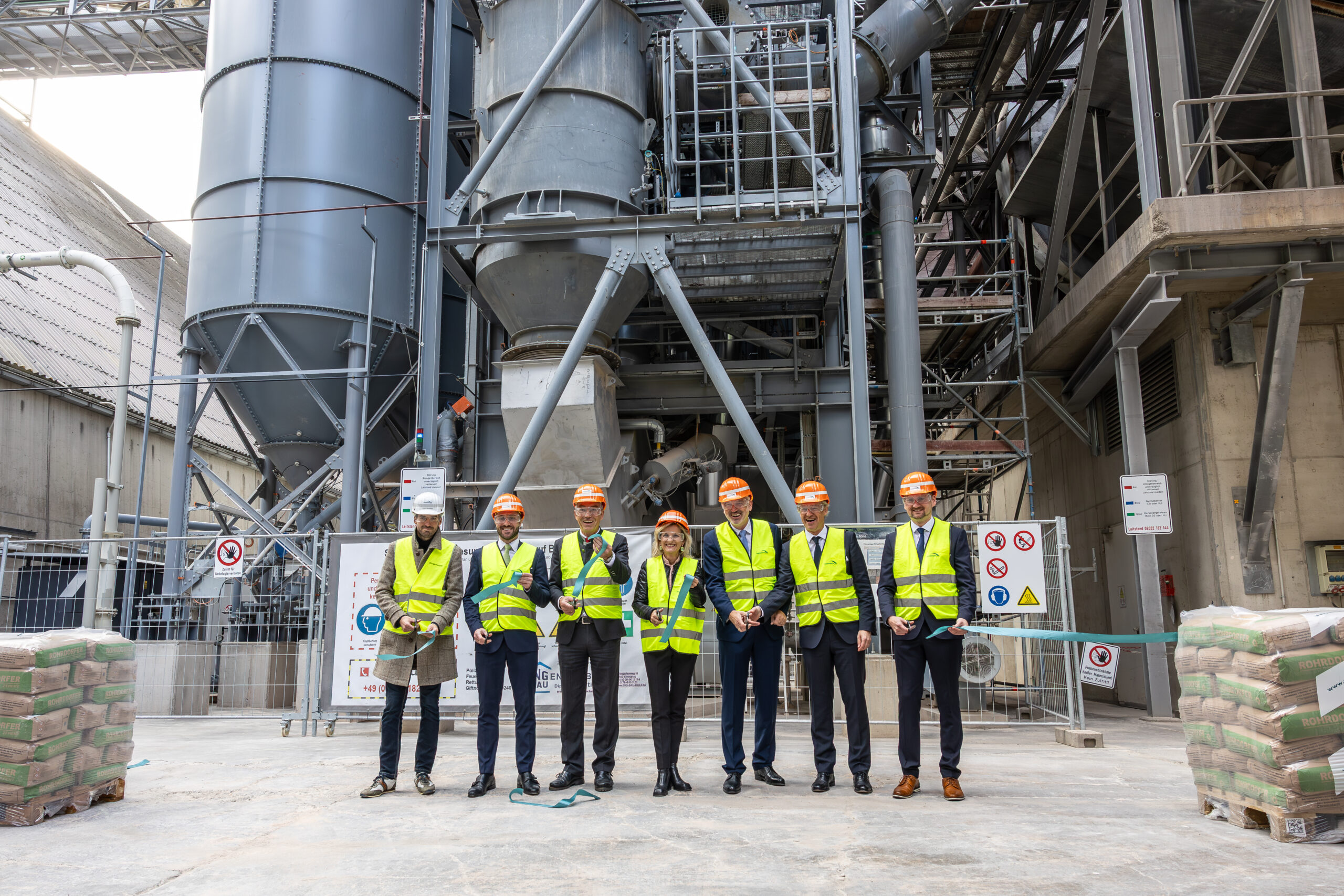
“As is usual with pilot plants, we had to contend with a few setbacks before achieving the expected results, but with team spirit and perseverance, we reached our milestone before the winter shutdown,” says Markus Stecher, Head of Process Engineering at the Rohrdorf Net Zero Emission Team.
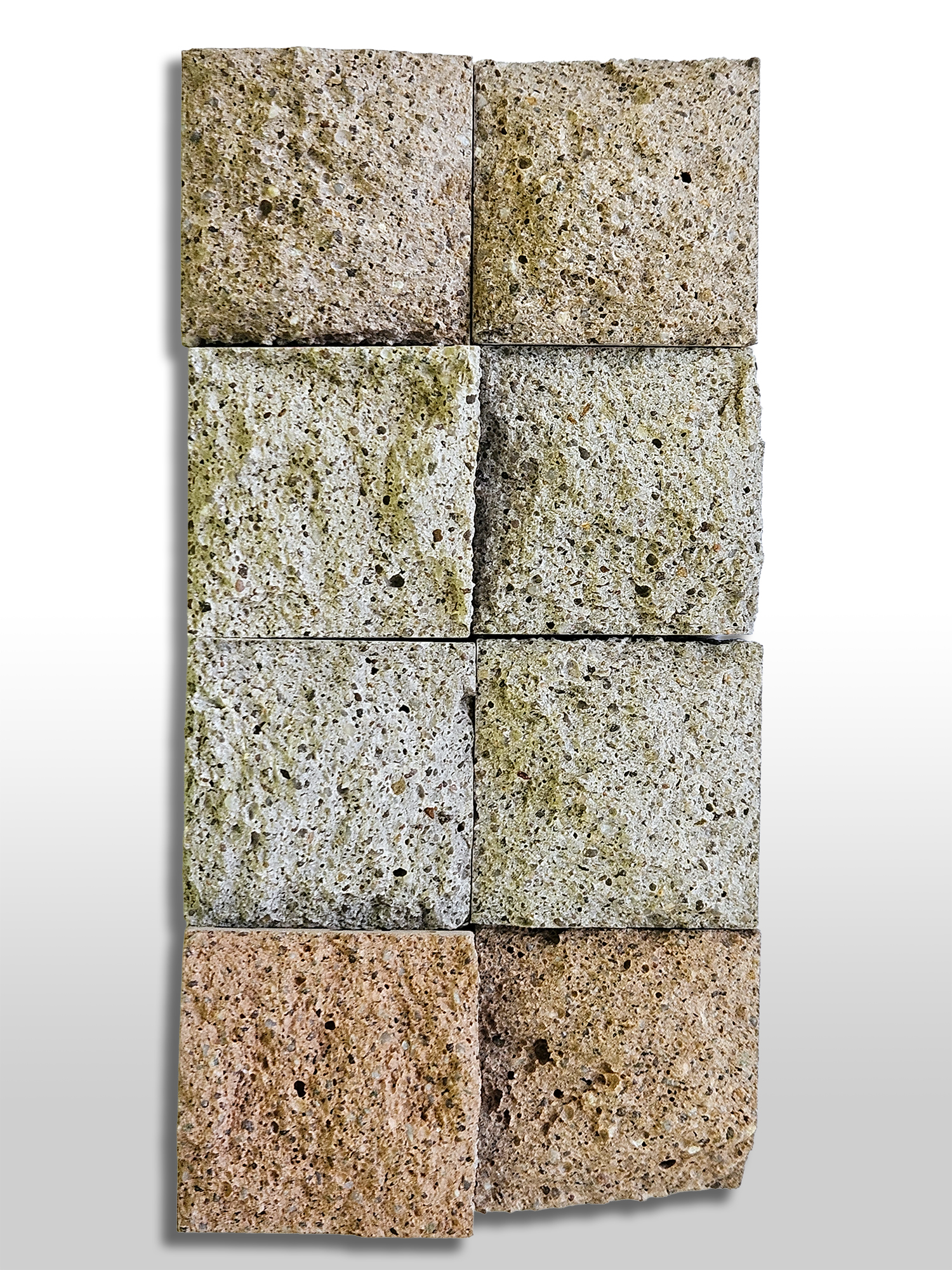
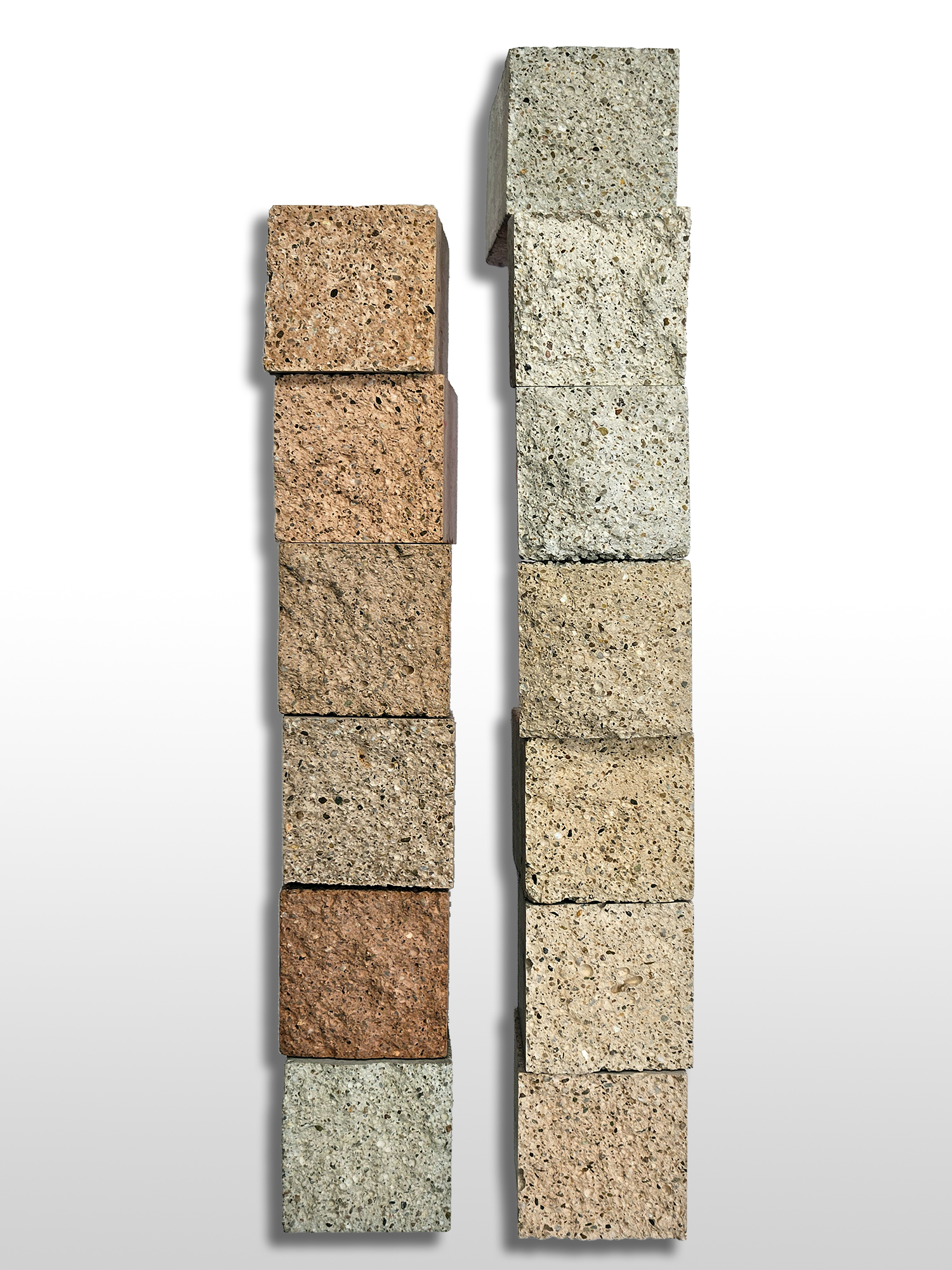
The tests with the Color Control Unit were particularly positive. Coloring is an optional final step in the process and is completely independent of tempering. The test series showed that the more iron there is in the raw clay, the redder the tempered clay becomes. Liquefied natural gas can be used to create conditions that prevent red discoloration. The end product then has the gray tone familiar from cement. Markus Stecher and his team colleagues have already presented the experiences from the project in numerous lectures to an expert audience. They have met with great interest, especially since almost every finding in this area is of a pilot nature.
The plan is to restart the plant when the furnace comes back into operation in March and to carry out a performance test at the end of March. The next step will be to conduct tests under consistently stable operating conditions at the pilot plant. In addition, further operation should show how different raw clays from various regions in Germany and Austria affect the quality of the tempered clays and ultimately the concrete.
The end product then has the gray tone familiar from cement. Markus Stecher and his team colleagues have already presented the experiences from the project in numerous lectures to an expert audience. They have met with great interest, especially since almost every finding in this area is of a pilot nature.

Um die Teilen-Funktion bei Facebook zu nutzen, müssen externe Medien von Facebook und deren Datenschutz akzeptiert werden.
Facebook Datenschutz

Um die Teilen-Funktion bei LinkedIn zu nutzen, müssen externe Medien von LinkedIn und deren Datenschutz akzeptiert werden.
LinkedIn Datenschutz