

First Hydrogen Combustion Test at an Austrian Cement Plant
Rohrdorfer Tests the Fuel Mix of the Future
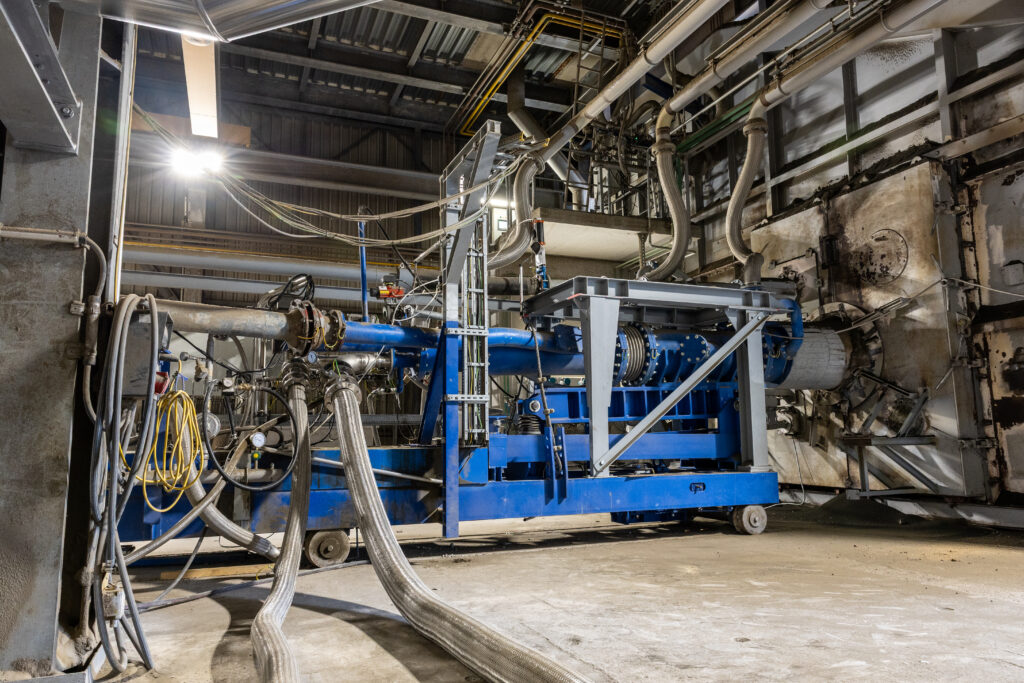
Gmunden, August 19, 2026 — The transition to non-fossil fuels is one of the key drivers for decarbonizing cement production. The production of cement clinker, the main component of cement, requires temperatures of 1,450 °C and thus a significant amount of fuel. For many years, Rohrdorfer has relied on alternative fuels in its cement plants to reduce CO₂ emissions. Another potential contribution to decarbonization is the use of hydrogen (H₂) from renewable sources—so-called “green H₂”—as a fuel. Hydrogen combustion in kiln operations is technically challenging and has not yet been extensively tested in the cement industry. To gain its own operational experience with this new energy source, the Rohrdorfer Net Zero Emission team conducted a large-scale hydrogen combustion test on the cement clinker kiln at the Gmunden site.
Hydrogen as a CO₂-Free Energy Source During Combustion
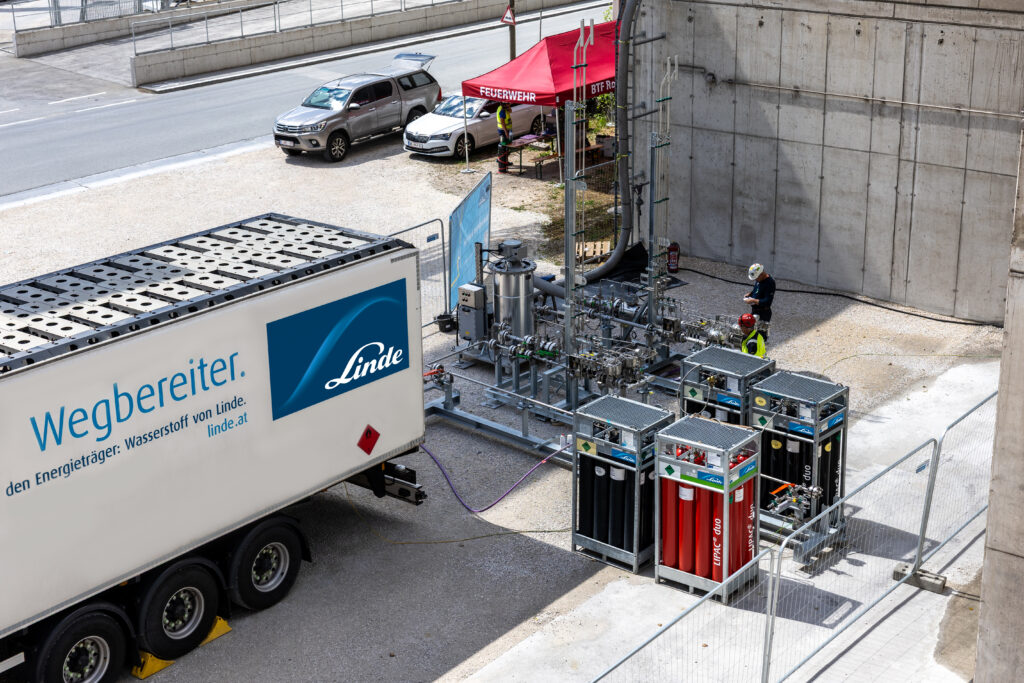
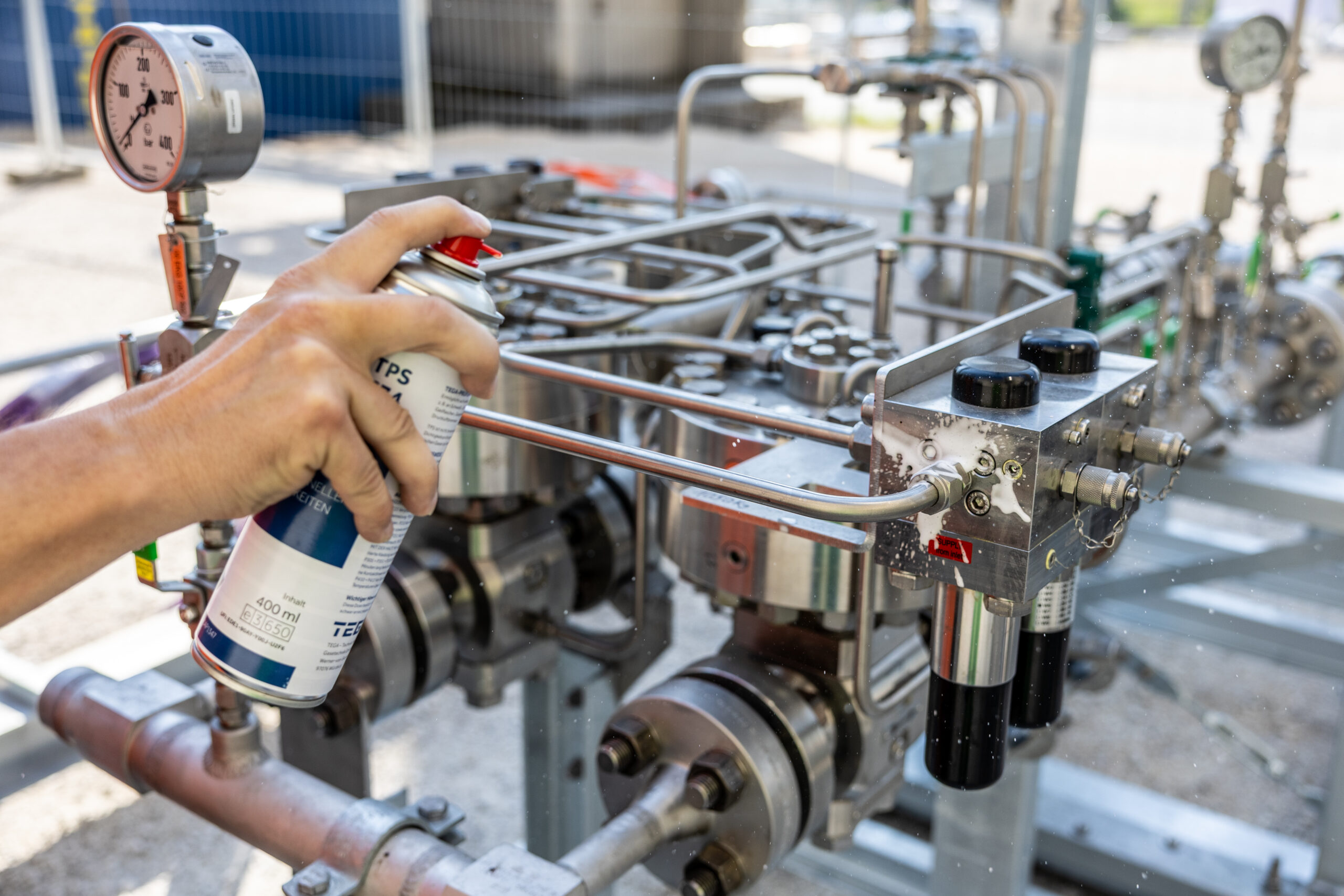
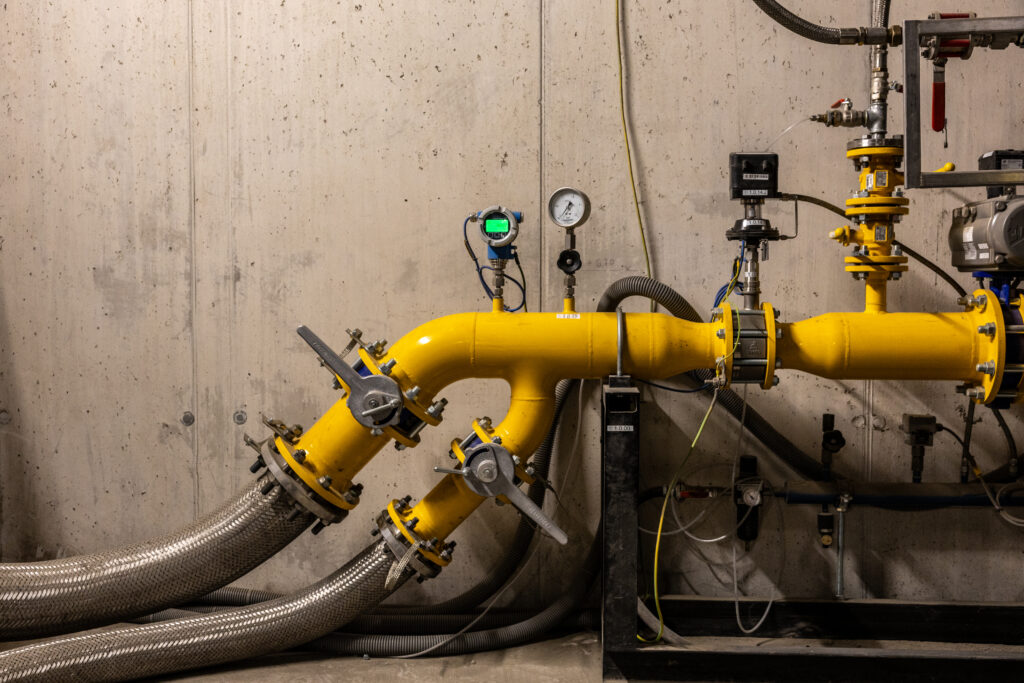
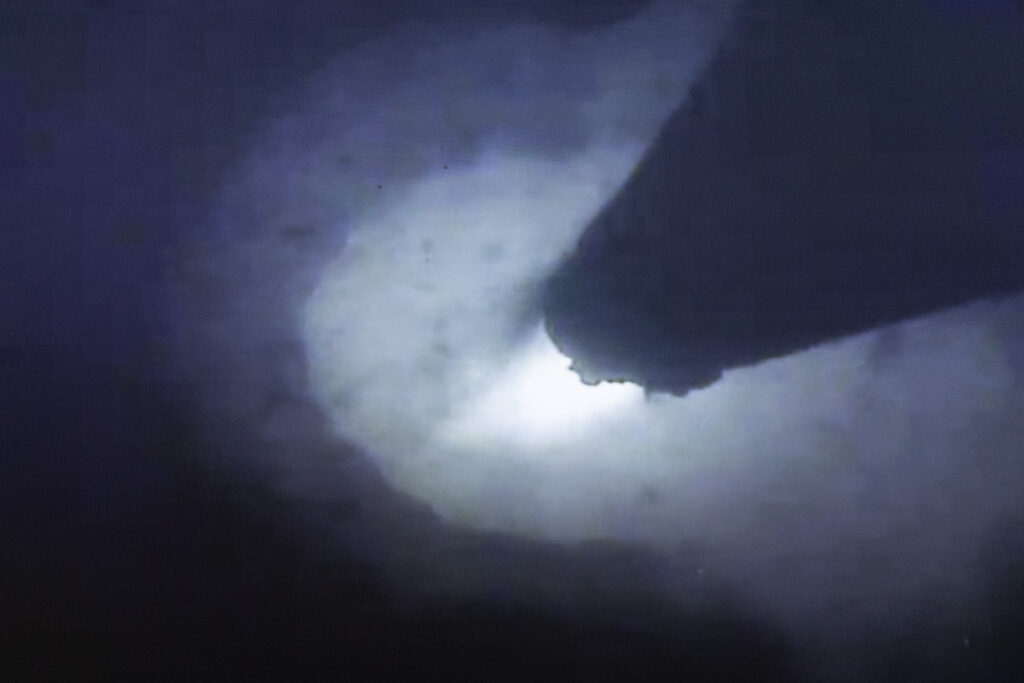
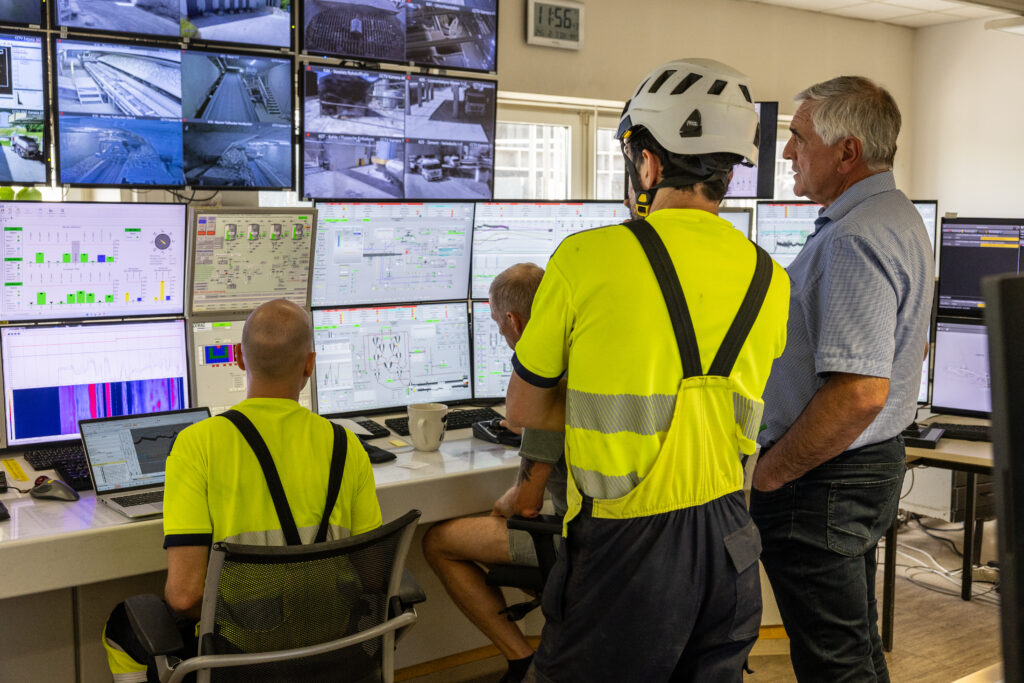
Unlike all conventional fuels, the combustion of hydrogen produces no CO₂. As a result, CO₂ emissions from the combustion process could be significantly reduced, depending on the proportion of H₂ in the fuel mix. Since mid-2023, Rohrdorfer has therefore been conducting preparatory work for a pilot test. In early July 2026, preparations were completed, and the first hydrogen combustion test at an Austrian cement plant was successfully carried out. Over two days of testing, part of the kiln’s heat output was covered by the co-firing of hydrogen. During the test, the gaseous fuel proved to be fundamentally well-suited for use in cement clinker production. The H₂ was supplied via truck trailers by Linde, a leading global industrial gas and engineering company, which developed a special mobile gas unloading station specifically for the trial.
Economic Viability of Green Hydrogen Not Yet Clear
“With this trial, we want to demonstrate that the use of so-called green hydrogen is a potential decarbonized alternative in the fuel mix of the future,” says Florian Wesenauer, project manager for the H₂ trial at Rohrdorfer. “However, economic viability is not yet foreseeable; the costs for this hydrogen are currently still many times too high.”
When the price will drop to a competitive level depends on many factors and cannot be predicted at this time. “Thanks to the test, however, we are well prepared and could begin the transition as soon as conditions allow,” Florian Wesenauer continues.